Carnivorous plants supplement their diets by trapping and digesting animals.

This protected plant species can often be found in montane meadows and beech forests.

A tall, deciduous tree with black markings on its white bark, the silver birch is native to the colder regions of the northern hemisphere.

Its spherical flowers produced in corymbs are quite showy; it is a popular decorative plant, thriving in humid conditions.

Honey locust is a thorny tree species that can even adapt to nutrient-poor soils. Legend has it that Christ's crown of thorns was made from this tree.

This species is an evergreen conifer with many uses. Native American Indians called it 'tree of life'. Today it is a popular ornamental plant.


Thalloid plants do not have real organs. Let’s take a closer look at their structure.

Let’s observe how milk fat is broken down using pancreatic lipase in the presence of phenolphthalein indicator.

The largest endemic European hornet species, characterised by its venomous sting and its taste for other insects.

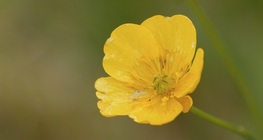
These golden-yellow, though poisonous, flowers turn damp meadows into a sea of yellow.

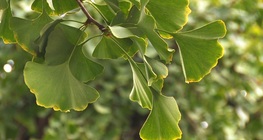
The ginkgo biloba is an ancient tree species that has been around since prehistoric times.

Examination of filamentous plant and fungus species with an optical microscope.




Let’s observe the effect of the amylase enzyme on a starch solution in the presence of Lugol’s solution.

In this video, you can see how the water, coloured with eosin solution, moves upwards in a carnation.