


This lesson is about the differences between real intimacy and the sexually explicit media.

This lesson is about the characteristics of abusive relationships and how to provide help in these situations.

This lesson offers you an opportunity to express your strong suits, that is, things that you are good at.

This lesson highlights the importance of choosing a role model.

This lesson explores what happens if there are no rules and what makes a rule valuable.

In this lesson, you can become aware of gender stereotypes related to jobs.

In this lesson, you can learn ways to improve concentration and get familiarised with efficient learning strategies.

In this lesson, you receive tips on how to manage your time efficiently.

This lesson will help you find the study methods that most suit you.

In this lesson, you can learn how to make conscious and well-considered decisions.
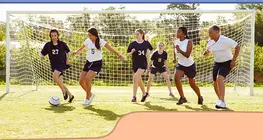
This lesson is about the importance of having rules and norms.

In this lesson, you can learn how this military order was founded and what role it played in the history of Malta.

This lesson helps you to understand that every job is equally important and useful.
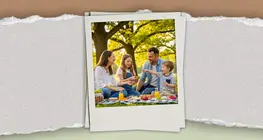
In this lesson, you can learn about various family types and relationships.

This lesson is about the roles and responsibilities of family members in various family models.



This lesson is about the functioning of computers.

This lesson is about the characteristics of files and folders.

In this lesson, you can explore how the media influences our thoughts and how to consciously filter the content.

In this lesson, you can learn how your vote may shape the future.
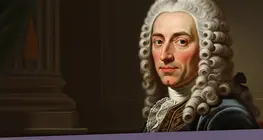
In this lesson, you can learn about one of the greatest figures of Venetian Baroque music.

This lesson is about one of the greatest Russian composers of the 19th century.

This lesson is about one of the greatest composers of classical music.